How We Work Is Changing
Our Thrive Village model is evolving so you get the support you need. The seven things that are changing, and what each one means for your family.
Neurodiversity Ireland
PDF, 1 page, 1.4 MB
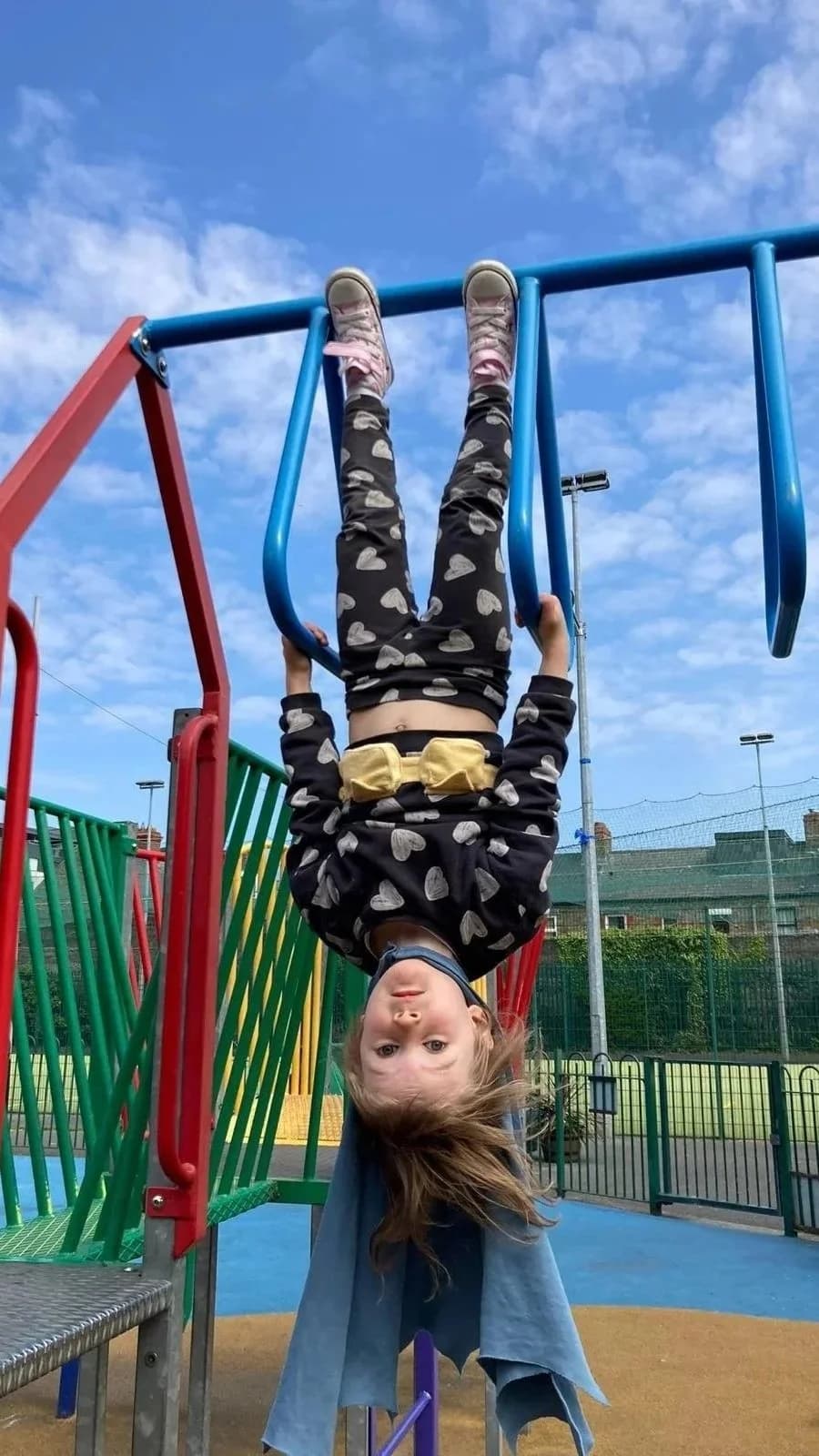
A change in how we work
Our Thrive Village model is evolving so you get the support you need
Parents have told us what they need most from Neurodiversity Ireland. More practical support around PDA, navigating school and burnout. More time to connect with other families who understand. More space for children to simply play, without judgment or pressure.
We heard you and we are changing how we work.
Individual appointments are ending
We are moving away from one-to-one clinician appointments. That time is coming back to you as parents, where it makes the biggest difference.
Parent support drop-ins
At our Sensory Centre in Sandymount. Come as you are, meet other parents and chat with our neuro-affirming and PDA-informed team. This will include options for parent-and-child play groups.
Drop-in sessions for those unable to attend school
No pressure environment where your child can just be. Completely child-led access to lots of different activities, or the option not to do anything at all. Supported by our PDA-informed team.
PDA parent workshops
Practical sessions delivered by our team, developed to address the questions you bring to us every week.
Communication parent workshops
Information and advice on how to support your child’s communication.
Our groups are staying
They are getting a new name that puts play first, led by your child and what they love.
Our specialist AAC service is growing
We are increasing our specialist AAC service. This service is unique to NDI, run by our Assistive Technology & Services Manager CJay Smith and we want more families to be able to access this support.
This is different to the HSE model of “parent training”. NDI has been formed through lived experience of parents seeking support. Our team is a mix of different professional backgrounds and lived experience. This has informed the ethos and practice at NDI and we pride ourselves on the unique support we offer. We want to talk about the difficult situations. We want to talk about PDA. We want to address the issues created by the school environments our children are in. We want to help our non-speakers communicate. We do not shy away from the topics that our parents need us to talk about to feel supported.
Thank you for telling us what matters to you.
Sensory Centre, Sandymount · Monday to Saturday, 9am to 6pm
Our Thrive Village model is evolving so you get the support you need. The seven things that are changing, and what each one means for your family.
Neurodiversity Ireland
PDF, 1 page, 1.4 MB
The week at a glance at our Sensory Centre in Sandymount: groups, parent drop-ins, school drop-ins and the PDA, GLP and AAC workshops.
Neurodiversity Ireland
PDF, 1 page, 928 KB
Our why
Neurodiversity Ireland was born out of the need to change how neurodivergent children are viewed and treated in Ireland, and to break down the stigma that still causes so much harm to children and their families.
Our Sensory Centre is home to our child-led, Occupational Therapy guided play groups, which give neurodivergent children an opportunity to have fun in a safe and predictable environment that supports their nervous system regulation. Children learn through co-regulation with group leaders who model regulation, building understanding of their own regulation needs and preferences, supporting their autonomy and capacity across all of their environments.
Due to the chronic waiting times for children’s disability services in Ireland, the need for our supports is greater than ever.
Children who are neurodivergent are still treated as less than. They are excluded from many social activities and are unable to access basic human rights such as education with their peers in their local community. Their needs are viewed by society as “special” or “extra” and they are not included in the systems and structures of daily life.
The impact of this stigma upon neurodivergent children is devastating. A recent study by the Kennedy Krieger Institute found 35% of Autistic children under 8 years old reported wanting to end their own lives. Neurodivergent children are much more likely to suffer from bullying, exclusion, school distress and breakdown. Currently 1 in 6 autistic children are out of school in the UK, and our recent survey found that 9 of 10 neurodivergent children are missing school for more than 20 days, with over 55% of those children unable to attend for more than 50 days.
We work to dispel the idea that there is a right way to be, to think, to act or to experience the world. Society privileges those who conform to a neurotypical pathway, which is often framed as “ideal” or “normal”. Neurodivergence is a lifelong difference and its own way of being, and should be respected. The human population is as diverse in mind and body as it is in ethnicity, gender, sexuality and physical ability.
Neurodiversity is a social and disability justice movement which posits that the way neurodivergent people experience and interact with the world is part of natural diversity. We move away from the medical model which pathologises disability as something “wrong” with the individual and instead ask society to remove the barriers and inequities that prevent neurodivergent children from participating in all aspects of life. We do not ask the neurodivergent child to change; we change the environments around the child.
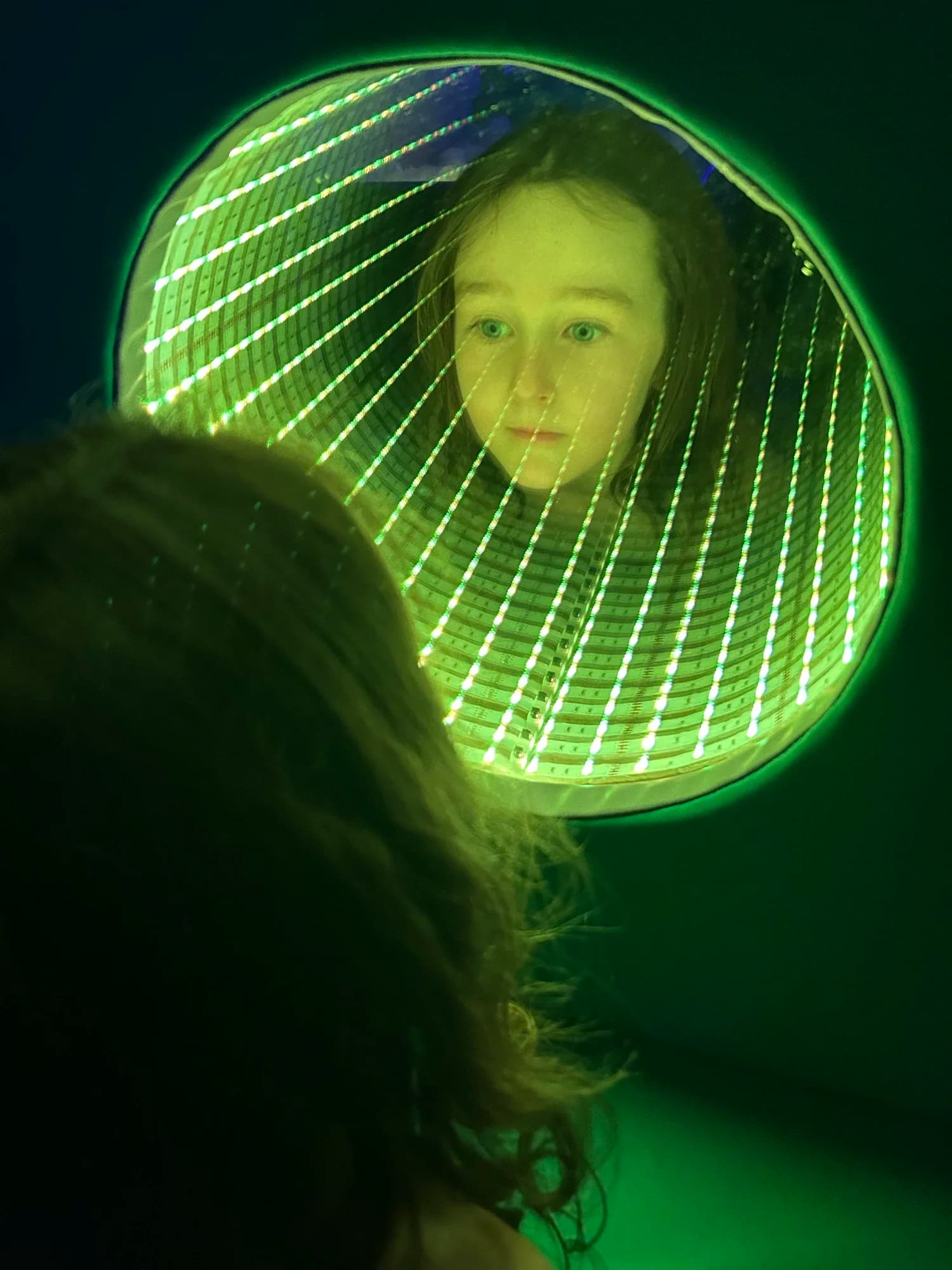
We change the environments around the child, not the child.
Our story
Launching in Sandymount in 2022, we began by asking our community to make small changes to become more inclusive of all brain types - like skipping queues in Tesco, having a quiet spot in the cafe - and we installed parking spaces in the village to help families access shops and schools. We supported local schools with information and resources about neurodiversity, including books for dyslexic children, handouts and animations.
We ran our first Occupational Therapist-led summer play camps at the Aviva Stadium in summer 2022, and the overwhelming response persuaded us to create a nationwide movement aimed at breaking the stigma faced by neurodivergent children and their families. We became a registered charity in November 2022 and began the hunt for a permanent home for our support services.
We created a community of parents and carers who can now access, in real time, the expertise by lived experience, advice and guidance that was so lacking, and kicked off a webinar series connecting families with experts - where possible without charge - to help bridge the gap caused by chronic waiting times for state services in Ireland.
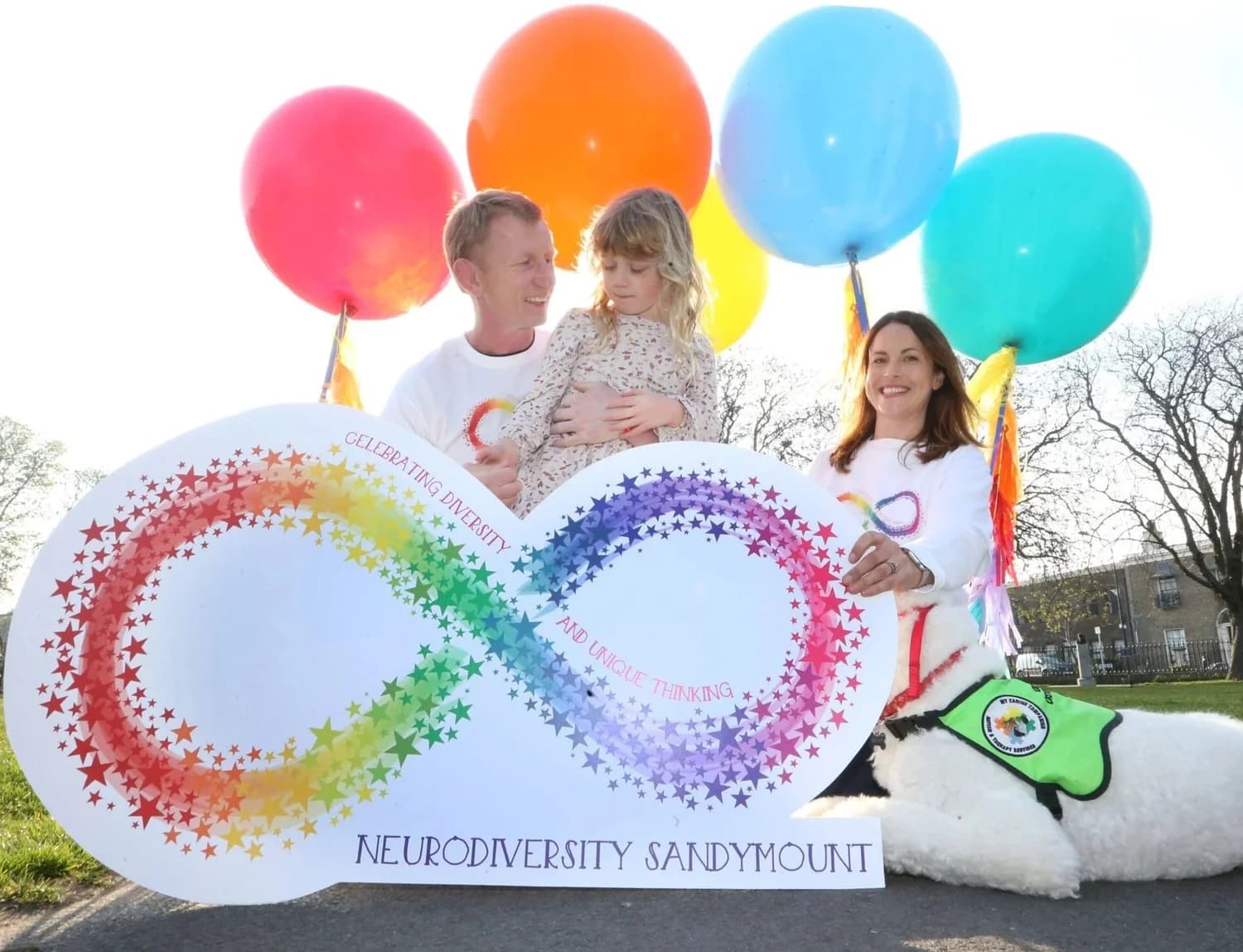
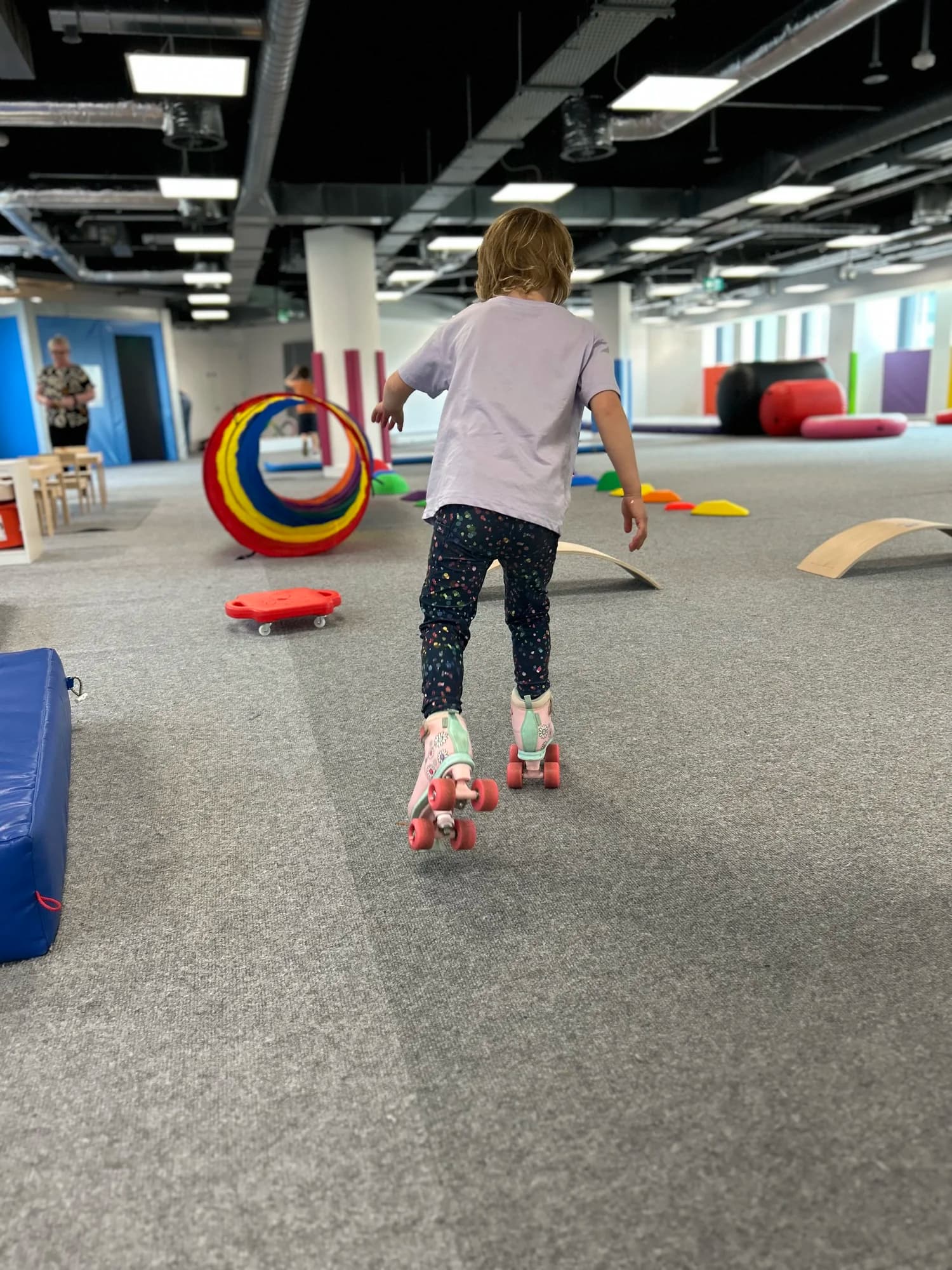
2023 - 2025
Thanks to the generosity of Aviva Plc, we established our pilot Sensory Centre in Blackrock, which operated from Easter 2023 until Summer 2025. During that time we supported 200 children each week to access Occupational Therapist-led peer play groups, focussed interest groups and holiday camps.
We provided an environment where children were in charge of what they did, when, and with whom. With a mix of messy play, crashing, bouncing and chilling, children led the agenda and were allowed to be their authentic, neurodivergent selves - forming connections and growing a community. Support services can and should be playful, child-led and neuroaffirmative.
2-4 Claremont Road, Sandymount, Dublin 4
We have secured our permanent home, where we are building Ireland’s first Centre of Excellence for Neurodiversity.
A vast space for messy play, water play, crashing, climbing, bouncing and swinging, with a courtyard garden and outdoor playground. Occupational Therapist-led and interest-based groups, supported by our Communication Specialist and support staff, in a predictable environment built for safety and unrestricted access to regulation.
Individualised, child-led therapy that builds on each child's strengths, interests and communication style.
Relationship-focused assessments, with a range of MDT assessments coming online in future.
Including our webinar series, peer-to-peer parent supports and more.
Opportunities for educators and therapists to visit and learn about child-led, regulation-based supports.
Informative resources, trainings and webinars made from our content creation room.
The evidence
Climbing, jumping, mess and water are in our Centre by design, not by accident. These position papers set out the science, the rights, and how we manage the real risks. Tap to read here, or download a copy.
Why our Sensory Centre provides climbing, jumping and elevated play, and how the risk is managed. Covers the vestibular and proprioceptive science, connective tissue hypermobility, the safety evidence, and NDI's risk-benefit framework, grounded in Tusla guidance and children's rights law.
Neurodiversity Ireland, June 2026
Why our Sensory Centre arranges messy play and water play as part of the environment, not on request, and how the real risks are managed. Covers tactile processing, interoception, the regulatory properties of water, the genuine risks and their management, and why restriction is the bigger risk.
Neurodiversity Ireland, July 2026
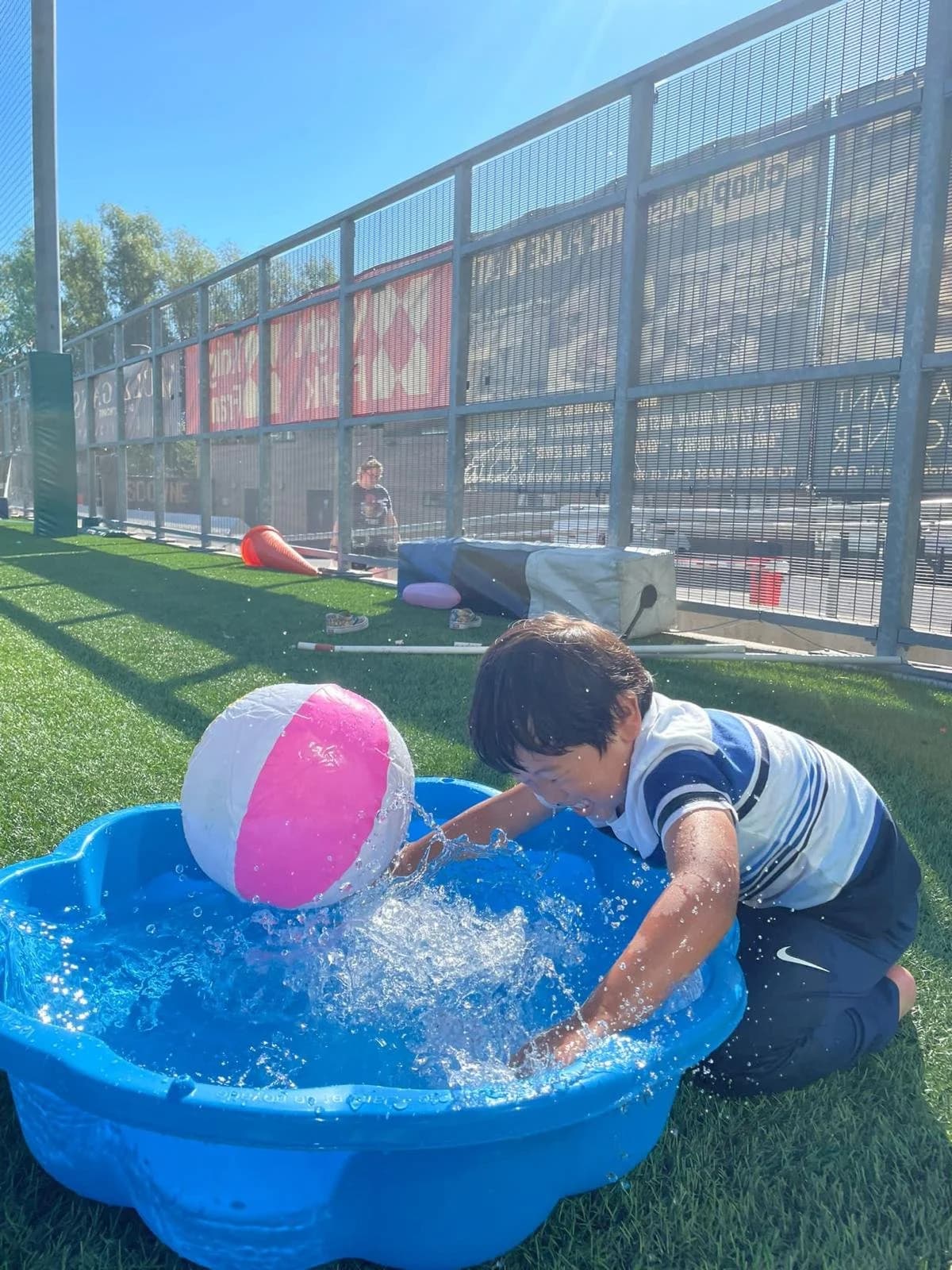
Support that wraps around children and families - and is fun.
See what our camps are like, and hear first when new dates open.
About our campsProud members & partners